
Rewilding Africa CIC
A National Park Conservancy is a large-scale, community-ed and owned multi-land use conservation landscape established around an existing national park. Created to protect the national park, build local economies and generate long term shared prosperity between people, wildlife and nature based enterprise
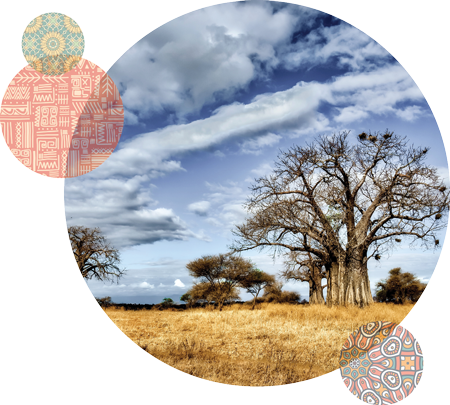
What is a National Park Conservancy
A National Park Conservancy is a planned, collaborative landscape surrounding an existing national park.
The national park remains the legally protected ecological anchor, managed by the appropriate statutory conservation authority.
The Conservancy creates the wider landscape framework around it.
It can bring together:
• Community land
• Communal areas
• Private farms and conservation properties
• Existing conservancies
• Wildlife corridors
• Tourism and hospitality assets
• Agricultural and regenerative land uses
• Conservation enterprises
• Cultural and heritage assets
• Nature-based investment opportunities
Rather than managing these areas as isolated parcels, the National Park Conservancy seeks to establish a shared vision, spatial framework, governance structure and conservation economy across the wider landscape.
This is not about creating another national park.
It is about creating a thriving landscape around the national park that allows the park itself to thrive and is designed as a replicable model for a continent wide network of community-led conservation National Park Conservancy brands.
How and why do we support the marketing, planning, development and management of National Park Conservancies?

We work closely with select implementation partners located in countries in Africa such as AFRICAN CONSERVANCIES in South Africa (www.africanconservancies.org ). A 2 PHASED MARKETING, PLANNING, DEVELOPMENT and MANAGEMENT PROGRAM AND BUDGET is created which commences with Phase 1 being the Destination Brand Launch. Phase 2 only commences once Phase 1 has been successfully completed. Phase 2 includes the following 8 steps;
- Natural resource audits;
- Comprehensive community planning;
- Land-use mapping and zoning;
- Governance and legal-entity structuring;
- Destination Marketing and Investable Land-Lease/Concession Development;
- Social Impact Investment and Community Enterprise Development;
- Rewilding and Landscape Restoration; and
- Ongoing Conservancy Management and Business Development.
Many of the fragmented parcels of land surrounding the National Park have been operating independently of each other, environmentally, socially, economically and ecologically. Bringing them together to operate under the oversight of a single unified National Park Conservancy Trust entity, means the sum of the parts is greater than the whole and provides crucial economies of scale and land management capabilities.
The critical importance of building conservation economies
“Conservation Economy thinking represents a paradigm shift in traditional thinking and emphasis on wildlife crime preventative mechanisms and the ongoing financial, human and physical resources required to protect the globes remaining wildlife and their habitats. Building a Conservation Economy involves rather investing, empowering and developing wilderness communities , thereby enabling them to participate in and own the conservation economies established on the wilderness landscapes they habit, and in order for them to ultimately become the true and legitimate custodians of these landscapes and their natural resources. This in turn helps reduce wildlife crime and habitat destruction, as the value of these wilderness assets becomes theirs to lose if not looked after and protected”. – James Arnott
The vision of a united and significant global Conservation Economy is what brings us together. Continuing to fight wildlife crime without an innovative approach and long-term sustainability as a goal, is not the solution. We cannot continue to do the same things over again and expect a different result. A vibrant Community based Conservation Economy will reduce wildlife crime as it brings tangible and meaningful benefits to the communities around and within these Wild landscapes.
In order to solve the conflict over land, resources and ownership, and profitably share in this space, we need to do things differently or we will lose this fight for land, water, ecosystems, culture and society. The economy will then collapse.
Many landscapes are disconnected islands of private, community, or government land, operating in social, economic and environmental isolation from each other. This is a historic legacy of colonial mapping and privatization of landscapes. Our fauna and flora globally are under tremendous pressure for survival, as wildlife crime reaches epidemic proportions and population pressure increase. Migratory routes and large landscapes are increasingly being carved into small enclaves, surrounded by impoverished communities disconnected from their birth rights. This results in conflict.
A Conservation Economy is built on wildlife and biodiversity assets and incorporates the resources both inside and outside the protected Conservancy area. A Conservation Economy focusses equally on the people surrounding these areas, building a restorative economy based on ecological, social and economic principles. If our wild places and the neighbouring land and water, are managed responsibly they offer a variety of employment opportunities (including zoology, conservation, eco-tourism, hunting, agriculture and all secondary activities) thereby contributing to poverty reduction and economic growth, reducing pressure on resources within protected areas.
Building a Conservation Economy involves investment into assets that create long term, profitable returns. These assets, at a base level, are natural, social and economic capital. Restoring custodianship relations, building foundations of respect and trust, based on communal aspirations and values, will ultimately, we believe, be the manner in which we preserve culture, environment, society and the economy.
A Conservation Economy brings benefits to all stakeholders, reduces conflict, and therefore risk for investors and local communities alike.


